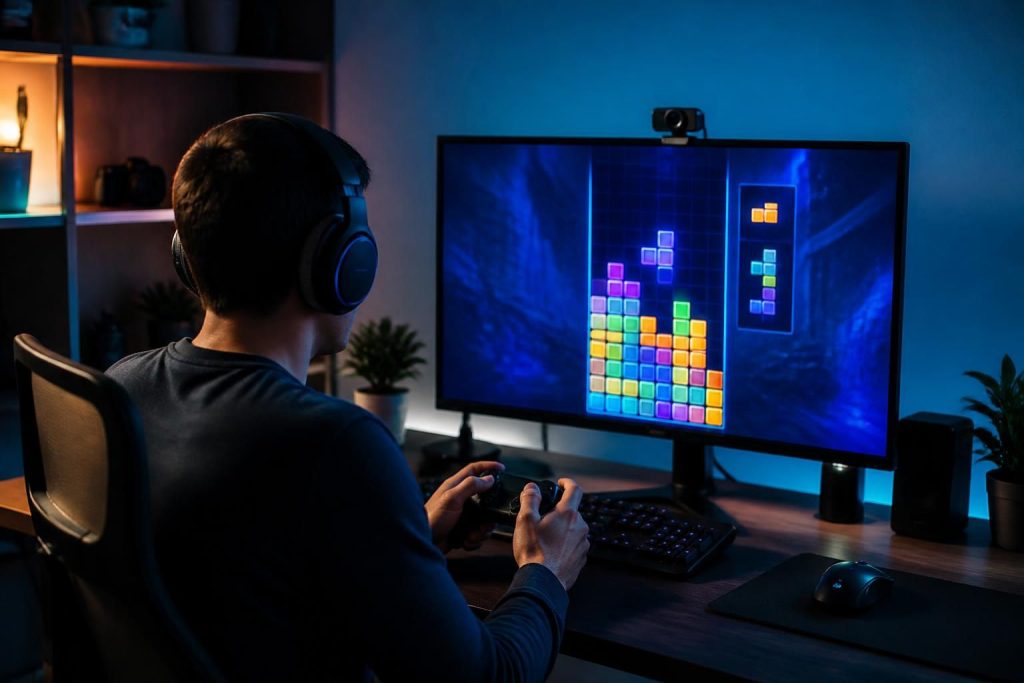
How Do Puzzle Games Stimulate Cognitive Function?
Engaging with puzzle games requires players to utilize a range of cognitive processes, including problem-solving, spatial reasoning, and memory. Each time a player immerses themselves in a puzzle, whether it involves matching items, solving riddles, or assembling pieces, their brain is activated in unique ways.
Studies have shown that regular interaction with puzzles can stimulate the brain’s neural pathways. For instance, the act of strategizing a move or recalling a previous pattern can enhance working memory, as players must hold information in their minds while processing new data. This mental engagement can lead to improved executive function, which encompasses skills such as planning, prioritizing, and decision-making.
The Role of Puzzle Games in Aging and Brain Health
As individuals age, maintaining cognitive health becomes increasingly important. Numerous studies suggest that engaging in activities like puzzle games can help stave off cognitive decline associated with aging. The brain remains plastic, meaning it can continue to grow and adapt, even in later years, when regularly challenged by new tasks.
Games such as Sudoku, crosswords, and logic puzzles are particularly effective at promoting mental agility and resilience. They encourage players to think critically and approach challenges in innovative ways. By systematically engaging with these types of games, older adults may enhance their cognitive reserve—a term that refers to the brain’s ability to improvise and find alternate ways of completing tasks, which can, in turn, delay the onset of dementia and other cognitive impairments.
Multiplayer Puzzle Games and Social Interaction
The rise of online multiplayer puzzle games has introduced a social dimension to cognitive challenges. Playing with others not only adds a layer of competition but also facilitates communication and teamwork. Cooperative puzzle-solving can enhance social skills while simultaneously stimulating cognitive function.
Games designed for teams often require players to strategize collectively and share ideas, promoting a shared cognitive experience. This social interaction can lead to improved social cognition, as players must interpret others’ actions and intentions in a dynamic environment. Additionally, the collaborative aspect of multiplayer puzzle games can boost motivation, as players encourage one another and celebrate joint successes.
Puzzle Games and Skill Transfer to Real-Life Situations
One of the most compelling aspects of puzzle games is their potential for skill transfer to real-life scenarios. The skills developed through playing such games, like critical thinking and problem-solving, can be applied to everyday tasks and challenges.
For example, someone who regularly plays strategy-based puzzle games may find that their ability to analyze situations and devise solutions improves in the workplace. Problem-solving skills honed through gameplay can enhance decision-making processes, making individuals more effective in their professional and personal lives. Furthermore, the fun and engaging nature of these games means that players are more likely to practice these skills in a low-pressure environment, which can lead to greater retention and application in real-world contexts.
The Future of Puzzle Games in Cognitive Research
As the field of cognitive research continues to evolve, puzzle games are likely to play an increasingly important role in understanding brain function. With advancements in technology and game design, researchers can create more sophisticated gaming experiences that target specific cognitive skills.
Emerging trends in gaming, such as augmented reality and virtual reality puzzles, represent exciting frontiers for cognitive training. These technologies can provide immersive environments that challenge players more profoundly and could potentially yield insights into cognitive processes. Researchers are exploring the effectiveness of these enhanced puzzle experiences to assess their impact on various age groups and cognitive abilities.
In addition, the accessibility of puzzle games on mobile devices and online platforms means that a broader audience can engage with them, fostering a culture of cognitive exercise. Whether played casually or as part of a structured cognitive training regimen, the potential benefits of these games on mental acuity continue to be an area of active research.
Conclusion: Embracing Puzzle Games for Cognitive Enhancement
The relationship between puzzle games and the brain is complex and multifaceted, offering numerous cognitive benefits that extend far beyond mere entertainment. From stimulating cognitive function to promoting social interaction and skill transfer, these games provide valuable opportunities for mental growth. As research in this area progresses, it becomes increasingly clear that incorporating puzzle games into our routines can not only enhance cognitive skills but also contribute to overall brain health. Embracing puzzle games may very well be one of the most enjoyable and effective ways to nurture our cognitive abilities throughout life.
In conclusion, as we delve deeper into the world of puzzle games and their impact on the brain, the insights gained offer compelling reasons to make these engaging challenges a regular part of our mental fitness. Whether through traditional games or innovative new formats, the possibilities for cognitive enhancement through play are limitless. For those interested in a wide range of puzzle games, including those found on platforms like PGSLOT, there is a vast world to explore that promises both enjoyment and enrichment.